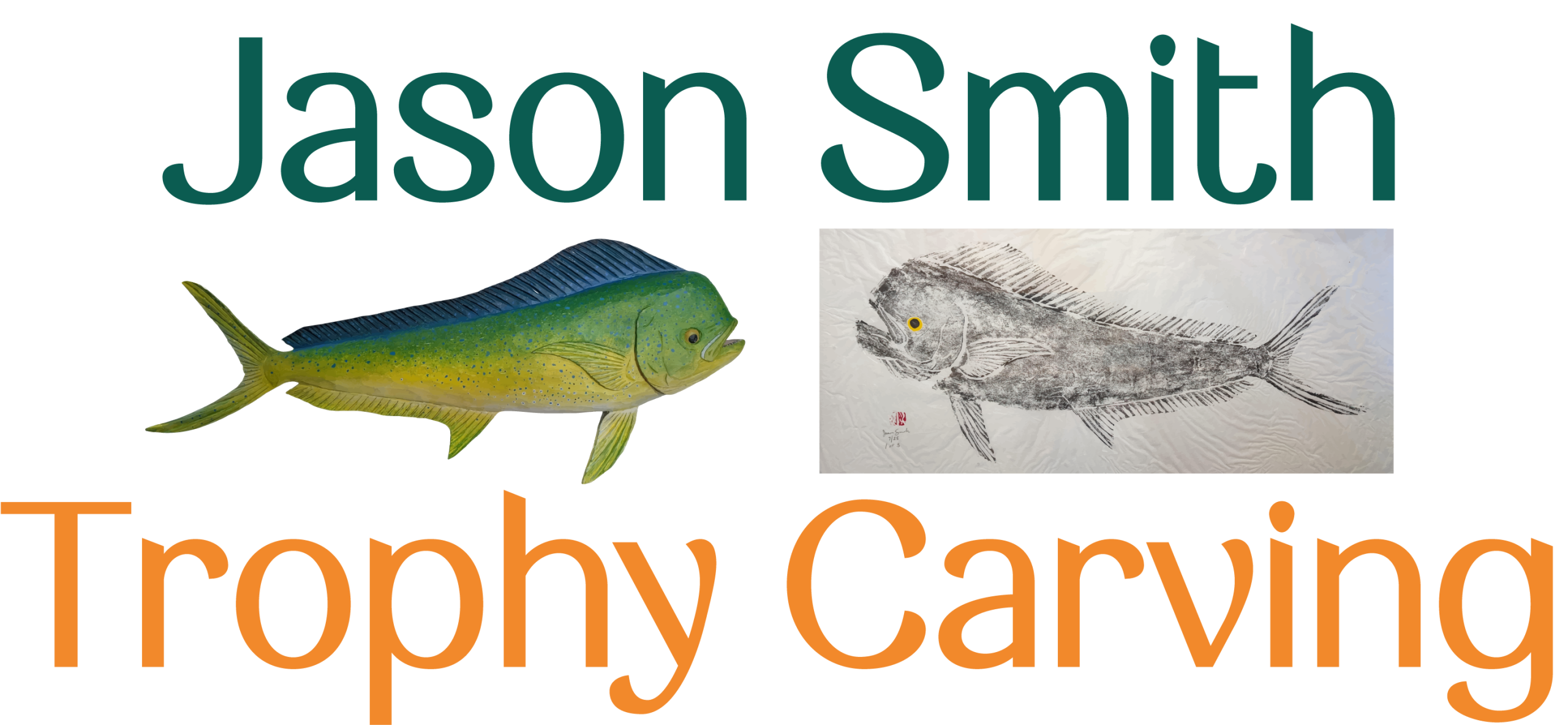
Early marine taxidermy emerged in the 19th century with sailors preserving catches using salt and rudimentary mounts, evolving into folk art forms like Jason’s carved replicas that honour catches without skinning. These roots inspire today’s custom wall art, tracing back to coastal whalers who crafted decoys for bait and display.
From hand-chisels in family woodshops to Jason’s refined methods, apprenticed reproductions and Gulf-inspired details, techniques advanced through licenses with Historic New England, prioritizing wood over hides. Precision now yields gallery-quality fish trophies, incorporating subtle grain matching and layered paint for depth.
Folk carvings preserve angling stories and cultural heritage, like Jason’s pay lake decoys, offering sustainable alternatives to traditional taxidermy while capturing species accurately for generations. They keep family fishing legacies alive, serving as educational tools in museums and homes alike.
Conservation drives our shift to carved mounts, reducing wildlife impact, Jason’s folk art supports ethical practices, echoing his farm roots and commitment to nature-inspired handcrafted art. Ethical crafting builds a greener legacy, aligning with modern no-kill tournaments.
Release mounts surged with catch-and-release ethics; Jason’s custom replicas recreate “the one that got away” as wall art, popularized from his 1990s gallery sales nationwide. Anglers now celebrate without harvest, fueling demand for personalized, photo-based designs.
Jason collaborated with Thomas Riley’s Artisan Guild on celebrity homes and Historic New England on historic sites, bridging folk art with high-end millwork for marine-themed installations. Partnerships elevate carved craftsmanship, including restaurant chains commissioning fleets of species-specific pieces.
Heirloom tools meet modern hardwoods and non-toxic paints, enabling durable, vibrant folk carvings. Jason’s evolution from antique restoration to trophy mounts showcases material innovation. Results withstand time and elements, with UV-resistant finishes for indoor-outdoor use.
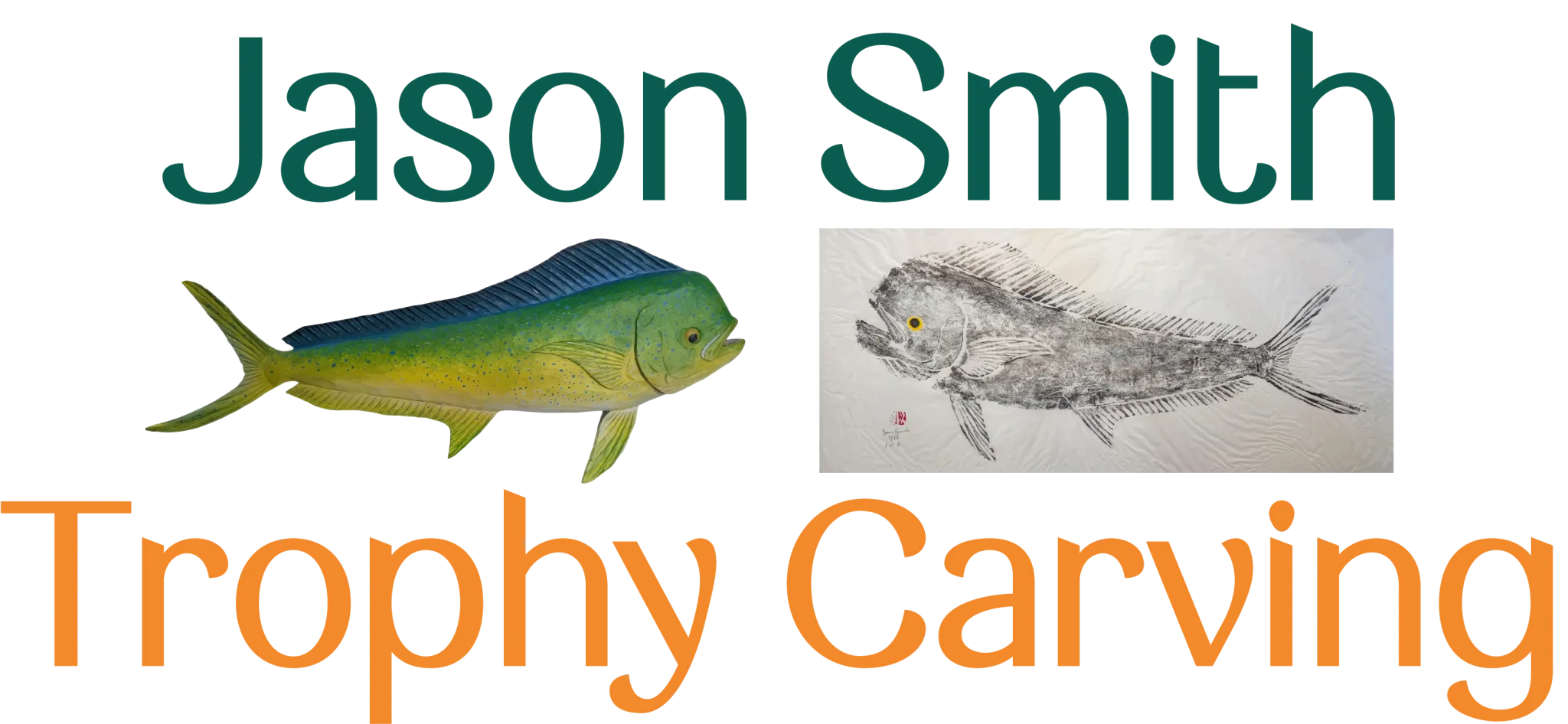
Carved folk arts like gyotaku prints and replicas lead the future, sustainable and artistic. Jason’s teaching his sons signals a legacy of evolving, conservation-focused fish art. Innovation promises endless possibilities, from 3D-scanned accuracy to eco-friendly composites.